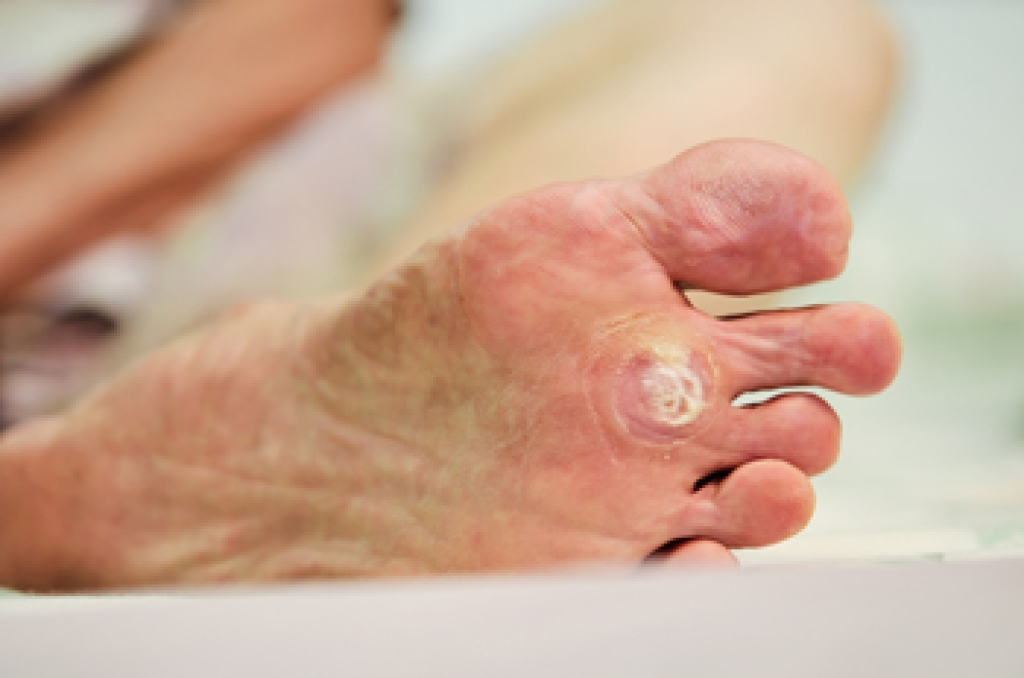
Plantar Warts and What You Need to Know

Plantar warts are skin growths that develop on the bottom of the foot due to infection with the human papillomavirus, or HPV. The virus enters through small cuts or weakened areas of skin and causes thickened lesions to form. These warts are often painful because they grow on weight-bearing areas such as the heel, where pressure from walking and standing forces them inward. Symptoms may include a rough circular patch of thick skin, tiny dark spots within the lesion, tenderness, and discomfort during daily activities. Risk factors include walking barefoot in public areas, excessive moisture, and a weakened immune system. If you have developed a plantar wart, it is suggested that you promptly consult a podiatrist who can provide an accurate diagnosis and effective relief and treatment techniques.

Plantar warts can be very uncomfortable. If you need your feet checked, contact one of our podiatrists from Accent Podiatry Associates. Our doctors will assist you with all of your foot and ankle needs.

About Plantar Warts

Plantar warts are the result of HPV, or human papillomavirus, getting into open wounds on the feet. They are mostly found on the heels or balls of the feet.

While plantar warts are generally harmless, those experiencing excessive pain or those suffering from diabetes or a compromised immune system require immediate medical care. Plantar warts are easily diagnosed, usually through scraping off a bit of rough skin or by getting a biopsy.

Symptoms

  • Lesions on the bottom of your feet, usually rough and grainy
  • Hard or thick callused spots
  • Wart seeds, which are small clotted blood vessels that look like little black spots
  • Pain, discomfort, or tenderness of your feet when walking or standing

Treatment

  • Freezing
  • Electric tool removal
  • Laser Treatment
  • Topical Creams (prescription only)
  • Over-the-counter medications

To help prevent developing plantar warts, avoid walking barefoot over abrasive surfaces that can cause cuts or wounds for HPV to get into. Avoiding direct contact with other warts, as well as not picking or rubbing existing warts, can help prevent the further spread of plantar warts. However, if you think you have developed plantar warts, speak to your podiatrist. He or she can diagnose the warts on your feet and recommend the appropriate treatment options.

If you have any questions, please feel free to contact our offices located in Arlington, Mansfield, and Midlothian, TX . We offer the newest diagnostic and treatment technologies for all your foot care needs.

Read more about What Are Plantar Warts?

Types of Flat Feet

Flat feet, called fallen arches, describe a foot structure where the medial arch is low or absent, allowing much of the sole to contact the ground. There are several types of flat feet, including flexible flat feet, the most common form. In this type, an arch may appear when the foot is not bearing weight but flattens during standing or walking. Rigid flat feet, which are less common, occur when an arch does not form at any time. This is often due to bone structure. Another type is acquired adult flatfoot, which develops later in life after normal arches were present. Flat feet can be linked to neurological conditions, inflammatory joint disease, or prior injury. A podiatrist can evaluate foot structure, assess gait, and determine treatment,  including custom orthotics. For help with foot pain caused by flat feet, it is suggested that you make an appointment with a podiatrist for an exam, diagnosis, and treatment.

Flatfoot is a condition many people suffer from. If you have flat feet, contact one of our podiatrists from Accent Podiatry Associates. Our doctors will treat your foot and ankle needs.

What Are Flat Feet?

Flatfoot is a condition in which the arch of the foot is depressed and the sole of the foot is almost completely in contact with the ground. About 20-30% of the population generally has flat feet because their arches never formed during growth.

Conditions & Problems:

Having flat feet makes it difficult to run or walk because of the stress placed on the ankles.

Alignment – The general alignment of your legs can be disrupted, because the ankles move inward which can cause major discomfort.

Knees – If you have complications with your knees, flat feet can be a contributor to arthritis in that area.  

Symptoms

  • Pain around the heel or arch area
  • Trouble standing on the tip toe
  • Swelling around the inside of the ankle
  • Flat look to one or both feet
  • Having your shoes feel uneven when worn

Treatment

If you are experiencing pain and stress on the foot you may weaken the posterior tibial tendon, which runs around the inside of the ankle. 

If you have any questions, please feel free to contact our offices located in Arlington, Mansfield, and Midlothian, TX . We offer the newest diagnostic and treatment technologies for all your foot care needs.

Read more about Flat Feet

Recognizing and Treating Hammertoe

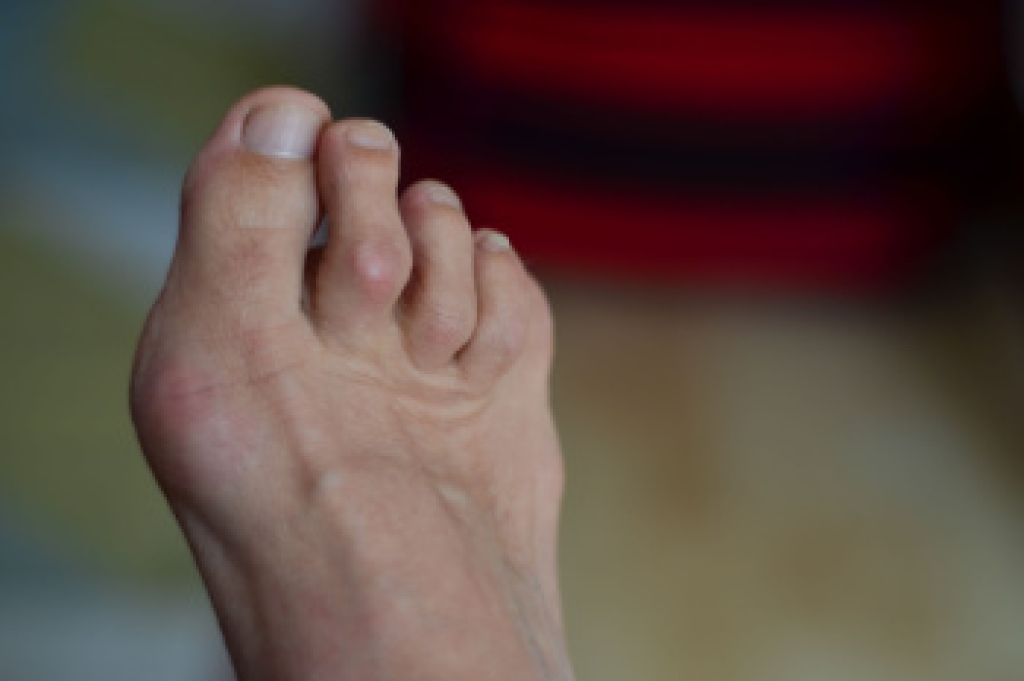
Gradual changes in toe position can be an early sign of a hammertoe, where one or more toes bend at the middle joint and no longer rest flat. Common signs include toe stiffness, irritation from footwear, and corns or calluses. As the hammertoe progresses, the toe may become rigid, limiting movement and causing more pain. Muscle imbalance, nerve conditions, injury, and long-term pressure on the toes can all contribute to this toe deformity. A podiatrist can evaluate toe alignment, joint flexibility, and foot structure to confirm the diagnosis and determine treatment. Some cases of hammertoe may require surgery to correct alignment and relieve pain. If you notice changes to the structure of your toes, it is suggested that you make an appointment with a podiatrist for an exam, diagnosis, and treatment.

Hammertoe

Hammertoes can be a painful condition to live with. For more information, contact one of our podiatrists from Accent Podiatry Associates. Our doctors will answer any of your foot- and ankle-related questions.

Hammertoe is a foot deformity that affects the joints of the second, third, fourth, or fifth toes of your feet. It is a painful foot condition in which these toes curl and arch up, which can often lead to pain when wearing footwear.

Symptoms

  • Pain in the affected toes
  • Development of corns or calluses due to friction
  • Inflammation
  • Redness
  • Contracture of the toes

Causes

Genetics – People who are genetically predisposed to hammertoe are often more susceptible

Arthritis – Because arthritis affects the joints in your toes, further deformities stemming from arthritis can occur

Trauma – Direct trauma to the toes could potentially lead to hammertoe

Ill-fitting shoes – Undue pressure on the front of the toes from ill-fitting shoes can potentially lead to the development of hammertoe

Treatment

Orthotics – Custom made inserts can be used to help relieve pressure placed on the toes and therefore relieve some of the pain associated with it

Medications – Oral medications such as anti-inflammatories or NSAIDs could be used to treat the pain and inflammation hammertoes causes. Injections of corticosteroids are also sometimes used

Surgery – In more severe cases where the hammertoes have become more rigid, foot surgery is a potential option

If you have any questions, please feel free to contact our offices located in Arlington, Mansfield, and Midlothian, TX . We offer the newest diagnostic and treatment technologies for all your foot care needs.

Read more about Hammertoe

Causes of Idiopathic Toe Walking

Idiopathic toe walking is a condition in which a child continues to walk on the toes without a known medical cause after the age when a typical heel to toe gait pattern should develop. This walking pattern can place excessive strain on the muscles and tendons of the foot and ankle, leading to tight calf muscles, limited ankle motion, and imbalance. Signs may include persistent toe walking, difficulty standing flat footed, and frequent tripping. Risk factors can include family history and developmental factors, and it most commonly affects young children. A podiatrist can evaluate gait, recommend stretching, bracing, or other supportive treatments. If your child is toe walking, it is suggested that you are under the care of a podiatrist who can monitor your child's foot health.

The health of a child’s feet is vital to their overall well-being. If you have any questions regarding foot health, contact one of our podiatrists of Accent Podiatry Associates. Our doctors can provide the care you need to keep you pain-free and on your feet.

Tips for Keeping Children's Feet Healthy

  • Make sure their shoes fit properly
  • Look for any signs of in-toeing or out-toeing
  • Check to see if they have Clubfoot (condition that affects your child’s foot and ankle, twisting the heel and toes inward) which is one of the most common nonmajor birth defects.
  • Lightly cover your baby’s feet (Tight covers may keep your baby from moving their feet freely, and could prevent normal development)
  • Allow your toddler to go shoeless (Shoes can be restricting for a young child’s foot)
  • Cut toenails straight across to avoid ingrown toenails
  • Keep your child’s foot clean and dry
  • Cover cuts and scrapes. Wash any scratches with soap and water and cover them with a bandage until they’ve healed.

If you have any questions, please feel free to contact our offices located in Arlington, Mansfield, and Midlothian, TX . We offer the newest diagnostic and treatment technologies for all your foot care needs.

Read more about How to Care for Your Child's Feet

Stop Your Toenail Fungus

Have you noticed discoloration of your toenails? Have they become thickened or brittle? If so, you may be experiencing symptoms of a fungal nail infection. For some, having a fungal nail can be embarrassing. Overcome your embarrassment, and get treated.

scroll to top