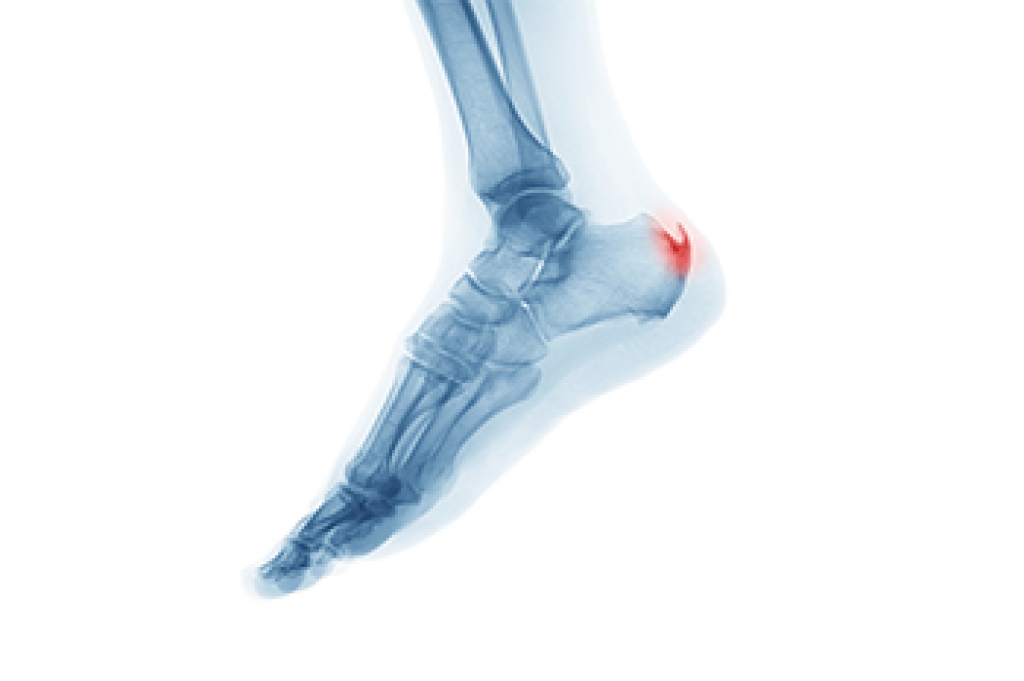
Location of Heel Spurs

Heel spurs are calcium deposits that create a pointed extension of bone on the heel. These growths are typically found either under the sole where the plantar fascia attaches, or at the back of the heel near the Achilles tendon. They are considered a common source of heel pain and are often linked to long term stress on the connective tissues of the foot. Although heel spurs can exist without symptoms, they are frequently associated with discomfort that affects daily mobility.

Symptoms often begin as mild irritation but can progress into more noticeable pain. Individuals may feel a sharp or stabbing sensation under the heel when taking initial steps after rest. The discomfort can shift into a dull ache after prolonged standing or walking. In some cases, swelling and localized tenderness develop. When the spur forms at the back of the heel, it may cause stiffness and pain when wearing shoes or during physical activity.


Risk factors for heel spurs include repetitive strain from high-impact activities, wearing improper footwear that lacks arch support, and occupations that require long periods of time standing. Age also plays a role, as the plantar fascia loses elasticity over time. Tight calf muscles and limited ankle flexibility can increase tension on the heel, further contributing to spur formation. Conditions such as obesity and poor foot mechanics also elevate the risk.


Heel spurs develop as the body responds to chronic pulling of the plantar fascia on the heel bone. Addressing the underlying cause is essential for long-term relief. Stretching exercises, wearing supportive shoes, and early evaluation can reduce strain and improve function. If heel pain continues, it is suggested that you seek care from a podiatrist who can accurately diagnose and effectively treat heel spurs.

Heel spurs can be incredibly painful and sometimes may make you unable to participate in physical activities. To get medical care for your heel spurs, contact one of our podiatrists from Accent Podiatry Associates. Our doctors will do everything possible to treat your condition.

Heels Spurs

Heel spurs are formed by calcium deposits on the back of the foot where the heel is. This can also be caused by small fragments of bone breaking off one section of the foot, attaching onto the back of the foot. Heel spurs can also be bone growth on the back of the foot and may grow in the direction of the arch of the foot.

Older individuals usually suffer from heel spurs and pain sometimes intensifies with age. One of the main condition's spurs are related to is plantar fasciitis.

Pain

The pain associated with spurs is often because of weight placed on the feet. When someone is walking, their entire weight is concentrated on the feet. Bone spurs then have the tendency to affect other bones and tissues around the foot. As the pain continues, the feet will become tender and sensitive over time.

Treatments

There are many ways to treat heel spurs. If one is suffering from heel spurs in conjunction with pain, there are several methods for healing. Medication, surgery, and herbal care are some options.

If you have any questions, please feel free to contact our offices located in Arlington, Mansfield, and Midlothian, TX . We offer the newest diagnostic and treatment technologies for all your foot care needs.

Read more about Heel Spurs

Preventing Workplace Falls and Foot Injuries

Workplace falls are a leading cause of injury across many industries and can affect employees in offices, warehouses, restaurants, and construction sites. A fall occurs when a person loses balance due to unsafe conditions or environmental hazards. These incidents often result in sprains, lacerations, contusions, or fractures, particularly involving the feet and ankles. Understanding how falls happen and what increases the risk is essential for prevention and safety. Workplace safety measures play an important role in reducing injury rates and improving overall productivity.

Common symptoms after a fall include pain, swelling, bruising, and limited movement. In more serious cases, fractures or deep cuts may require immediate medical attention. Several risk factors increase the likelihood of falling at work, including poor balance, improper footwear, fatigue, and lack of safety awareness. Employees who stand for long hours or perform repetitive tasks may also face a higher risk of foot and ankle strain, which can contribute to instability and falls.


The most common causes of workplace falls include wet surfaces, uneven flooring, cluttered walkways, and poor lighting. Spills that are not cleaned promptly can create slippery conditions, while loose mats or damaged flooring increase the chance of tripping. Cluttered work areas limit safe movement and reduce visibility of hazards. Inadequate lighting makes it difficult to see obstacles clearly, increasing the likelihood of missteps and injury. These preventable conditions highlight the importance of maintaining a clean and well organized environment.


Preventing workplace falls requires attention to safety practices such as proper housekeeping, wearing supportive shoes, and improving lighting conditions. Employers and employees should work together to identify and correct hazards before injuries occur. Early treatment of foot and ankle injuries can help prevent long-term complications and support faster recovery. If you have sustained a foot or ankle injury from falling at work, it is suggested that you consult a podiatrist for an accurate diagnosis and appropriate treatment.

Preventing falls among the elderly is very important. If you are older and have fallen or fear that you are prone to falling, consult with one of our podiatrists from Accent Podiatry Associates. Our doctors will assess your condition and provide you with quality advice and care.

Every 11 seconds, an elderly American is being treated in an emergency room for a fall related injury. Falls are the leading cause of head and hip injuries for those 65 and older. Due to decreases in strength, balance, senses, and lack of awareness, elderly persons are very susceptible to falling. Thankfully, there are a number of things older persons can do to prevent falls.

How to Prevent Falls

Some effective methods that older persons can do to prevent falls include:

  • Enrolling in strength and balance exercise program to increase balance and strength
  • Periodically having your sight and hearing checked
  • Discuss any medications you have with a doctor to see if it increases the risk of falling
  • Clearing the house of falling hazards and installing devices like grab bars and railings
  • Utilizing a walker or cane
  • Wearing shoes that provide good support and cushioning
  • Talking to family members about falling and increasing awareness

Falling can be a traumatic and embarrassing experience for elderly persons; this can make them less willing to leave the house, and less willing to talk to someone about their fears of falling. Doing such things, however, will increase the likelihood of tripping or losing one’s balance. Knowing the causes of falling and how to prevent them is the best way to mitigate the risk of serious injury.  

If you have any questions, please feel free to contact our offices located in Arlington, Mansfield, and Midlothian, TX . We offer the newest diagnostic and treatment technologies for all your foot care needs.
Read more about Falls Prevention

Understanding Corns on the Feet

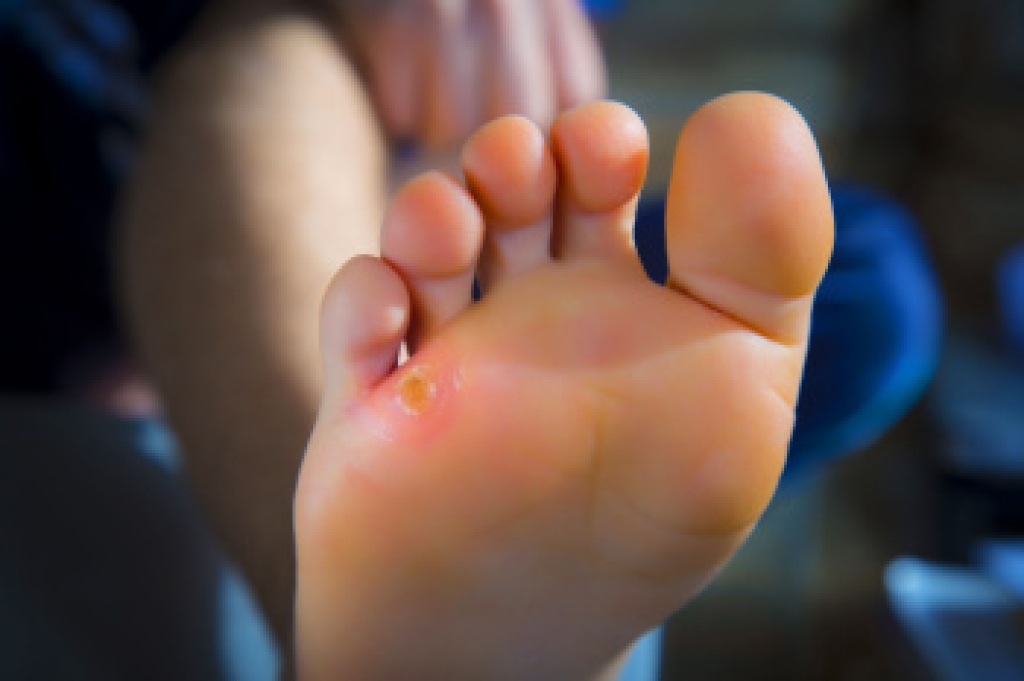
Corns are thick, hardened areas of skin that develop when repeated pressure or friction affects a specific part of the foot. Unlike a callus, which usually covers a larger area, a corn is smaller and has a firm center that can become quite painful. Corns usually form on the tops or sides of the toes or between the toes where rubbing occurs.  Wearing shoes that are too tight, shoes that are too loose, and high heels can all increase pressure on the skin. Foot problems like hammertoes or claw toes also raise the risk because they change the way the toes press against shoes. As the skin thickens to protect itself, discomfort while walking can become harder to ignore.

A podiatrist can identify a corn with a careful examination and determine what is causing the repeated pressure. Finding the underlying cause is important because simply removing the thickened skin does not prevent the corn from returning. Treatment includes gently trimming the hardened skin in the office to relieve discomfort. A podiatrist can also evaluate toe deformities and explain whether surgery is the best option when a structural problem continues to create excessive pressure. Patients also receive guidance about choosing shoes with a roomy toe area and avoiding shoes that lack proper support. These steps help reduce pressure on sensitive areas and improve comfort with daily activities.

Ignoring a painful corn can make standing and walking more difficult while increasing irritation around the affected area. Early care helps relieve discomfort before the problem becomes more limiting. A podiatrist can recommend treatment that matches your foot structure and activity level while helping reduce repeated pressure on vulnerable areas. Prompt evaluation also helps identify related foot problems before they become more serious. If you have developed corns on the feet, it is suggested that you schedule an appointment with a podiatrist for a diagnosis and appropriate treatment.

Corns can make walking very painful and should be treated immediately. If you have questions regarding your feet and ankles, contact one of our podiatrists of Accent Podiatry Associates. Our doctors will treat your foot and ankle needs.

Corns: What Are They? And How Do You Get Rid of Them?
Corns are thickened areas on the skin that can become painful. They are caused by excessive pressure and friction on the skin. Corns press into the deeper layers of the skin and are usually round in shape.

Ways to Prevent Corns
There are many ways to get rid of painful corns such as:

  • Wearing properly fitting shoes that have been measured by a professional
  • Wearing shoes that are not sharply pointed or have high heels
  • Wearing only shoes that offer support

Treating Corns

Although most corns slowly disappear when the friction or pressure stops, this isn’t always the case. Consult with your podiatrist to determine the best treatment option for your case of corns.

If you have any questions, please feel free to contact our offices located in Arlington, Mansfield, and Midlothian, TX . We offer the newest diagnostic and treatment technologies for all your foot care needs.

Read more about Corns: What Are They, and How Do You Get Rid of Them

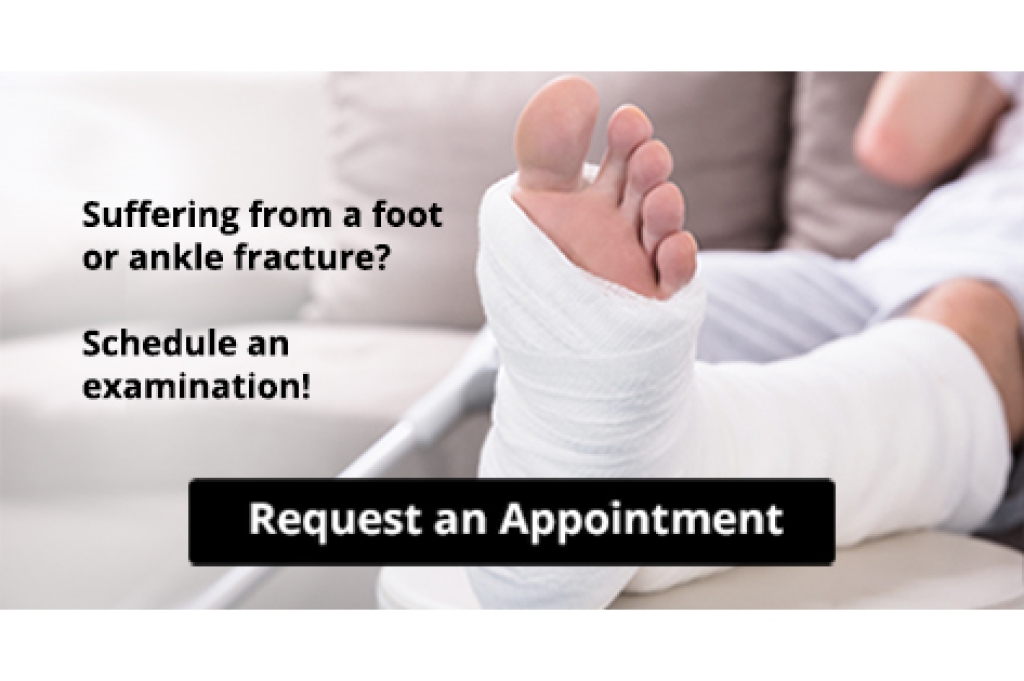
Get Professional Care for a Broken Foot or Ankle

Constant care and regular evaluation are important for a foot or ankle fracture. If left untreated, foot or ankle fractures can worsen over time and create more serious problems.

Don't wait to be examined if you believe you've experienced a foot or ankle fracture.

Why High Heels Cause Foot Pain

High heels can create a polished look, but they also place extra stress on the feet. As heel height increases, more body weight shifts toward the front of the foot. This added pressure affects the toes and the ball of the foot with every step. A narrow toe box squeezes the toes together, making normal movement more difficult. High heels that lack proper support also reduce stability and increase strain on muscles and joints. This raises the risk of bunions, corns, and calluses, along with increasing the chances of an ankle sprain. Some people notice burning, numbness, or swelling after long periods of standing or while walking in high heels.

Choosing high heels carefully helps reduce stress on the feet without giving up style. A proper fit is one of the most important features. High heels that are too tight or too loose increase pressure and friction. Open-toe styles provide extra room for the toes and reduce crowding. Lower heels place less weight on the front of the foot than very high styles. A wider heel also improves balance and spreads weight more evenly. A less dramatic slope from heel to toe places less strain on the foot and ankle. Small design changes can make high heels more comfortable while helping protect the feet.

When foot pain continues from wearing high heels, a podiatrist can identify the cause and recommend the most effective treatment. An examination can determine whether pain comes from irritated joints, strained soft tissues, or changes in foot structure. Treatment includes custom orthotics, padding to reduce pressure, and care for corns or calluses. A podiatrist also treats bunions, hammertoes, and other problems before they become more severe. If you have foot pain after wearing high heels, it is suggested that you schedule an appointment with a podiatrist for effective relief tips and guidance on choosing high heels suited to your needs.

High heels have a history of causing foot and ankle problems. If you have any concerns about your feet or ankles, contact one of our podiatrists from Accent Podiatry Associates. Our doctors can provide the care you need to keep you pain-free and on your feet.

Effects of High Heels on the Feet

High heels are popular shoes among women because of their many styles and societal appeal.  Despite this, high heels can still cause many health problems if worn too frequently.

Which Parts of My Body Will Be Affected by High Heels?

  • Ankle Joints
  • Achilles Tendon – May shorten and stiffen with prolonged wear
  • Balls of the Feet
  • Knees – Heels cause the knees to bend constantly, creating stress on them
  • Back – They decrease the spine’s ability to absorb shock, which may lead to back pain.  The vertebrae of the lower back may compress.

What Kinds of Foot Problems Can Develop from Wearing High Heels?

  • Corns
  • Calluses
  • Hammertoe
  • Bunions
  • Morton’s Neuroma
  • Plantar Fasciitis

How Can I Still Wear High Heels and Maintain Foot Health?

If you want to wear high heeled shoes, make sure that you are not wearing them every day, as this will help prevent long term physical problems.  Try wearing thicker heels as opposed to stilettos to distribute weight more evenly across the feet.  Always make sure you are wearing the proper shoes for the right occasion, such as sneakers for exercising.  If you walk to work, try carrying your heels with you and changing into them once you arrive at work.  Adding inserts to your heels can help cushion your feet and absorb shock. Full foot inserts or metatarsal pads are available. 

If you have any questions, please feel free to contact our offices located in Arlington, Mansfield, and Midlothian, TX . We offer the newest diagnostic and treatment technologies for all your foot care needs.

Read more about Effect of High Heels on the Feet
scroll to top