
What Is Causing Your Ankle Pain?

The ankle is a complex joint that supports body weight and helps with movement. Ankle pain can affect people of all ages, and can make everyday activities more difficult. Pain can develop suddenly after an injury or gradually from a condition affecting the joint, tendons, or ligaments. Ligaments are strong bands of tissue that connect bones. Tendons connect muscles to bones and help control movement. Common causes of ankle pain include sprains, tendon irritation, and arthritis. Arthritis is a condition that causes inflammation and damage within a joint. Symptoms include pain, swelling, stiffness, and difficulty moving the ankle. Some people also notice bruising, tenderness, or a feeling that the ankle is unstable while walking.

A podiatrist can determine the cause of ankle pain through a detailed examination. The location of the pain often provides important clues. Pain on the outside of the ankle can point to a ligament injury. Pain along the back of the ankle may involve the Achilles tendon. A podiatrist will evaluate swelling, joint movement, and stability. Diagnostic imaging, such as X-rays, can help identify fractures, arthritis, or other structural problems. In some cases, advanced imaging may be needed to examine soft tissues. An accurate diagnosis is important because different ankle conditions require different forms of treatment.

Treatment depends on the source and severity of the pain. A podiatrist may recommend supportive devices, custom orthotics, or bracing to improve ankle function. Orthotics are specially designed shoe inserts that help control foot and ankle movement. More serious injuries may require immobilization with a walking boot or cast. Conditions like severe arthritis or complex fractures sometimes require surgery. Prompt care can also help prevent additional strain on surrounding joints and tissues. If you have ankle pain, it is suggested that you schedule an appointment with a podiatrist for an accurate diagnosis and an effective treatment plan.

Ankle pain can be caused by a number of problems and may be potentially serious. If you have ankle pain, consult with one of our podiatrists from Accent Podiatry Associates. Our doctors will assess your condition and provide you with quality foot and ankle treatment.

Ankle pain is any condition that causes pain in the ankle. Due to the fact that the ankle consists of tendons, muscles, bones, and ligaments, ankle pain can come from a number of different conditions.

Causes

The most common causes of ankle pain include:

  • Types of arthritis (rheumatoid, osteoarthritis, and gout)
  • Ankle sprains
  • Broken ankles
  • Achilles tendonitis
  • Achilles tendon rupture
  • Stress fractures
  • Bursitis
  • Tarsal tunnel syndrome
  • Plantar fasciitis

Symptoms

Symptoms of ankle injury vary based upon the condition. Pain may include general pain and discomfort, swelling, aching, redness, bruising, burning or stabbing sensations, and/or loss of sensation.

Diagnosis

Due to the wide variety of potential causes of ankle pain, podiatrists will utilize a number of different methods to properly diagnose ankle pain. This can include asking for personal and family medical histories and of any recent injuries. Further diagnosis may include sensation tests, a physical examination, and potentially x-rays or other imaging tests.

Treatment

Just as the range of causes varies widely, so do treatments. Some more common treatments are rest, ice packs, keeping pressure off the foot, orthotics and braces, medication for inflammation and pain, and surgery.

If you have any questions please feel free to contact our offices located in Arlington, Mansfield, and Midlothian, TX . We offer the newest diagnostic tools and technology to treat your foot and ankle needs.

Read more about Various Causes of Ankle Pain

Outer Foot Pain May Indicate Cuboid Syndrome

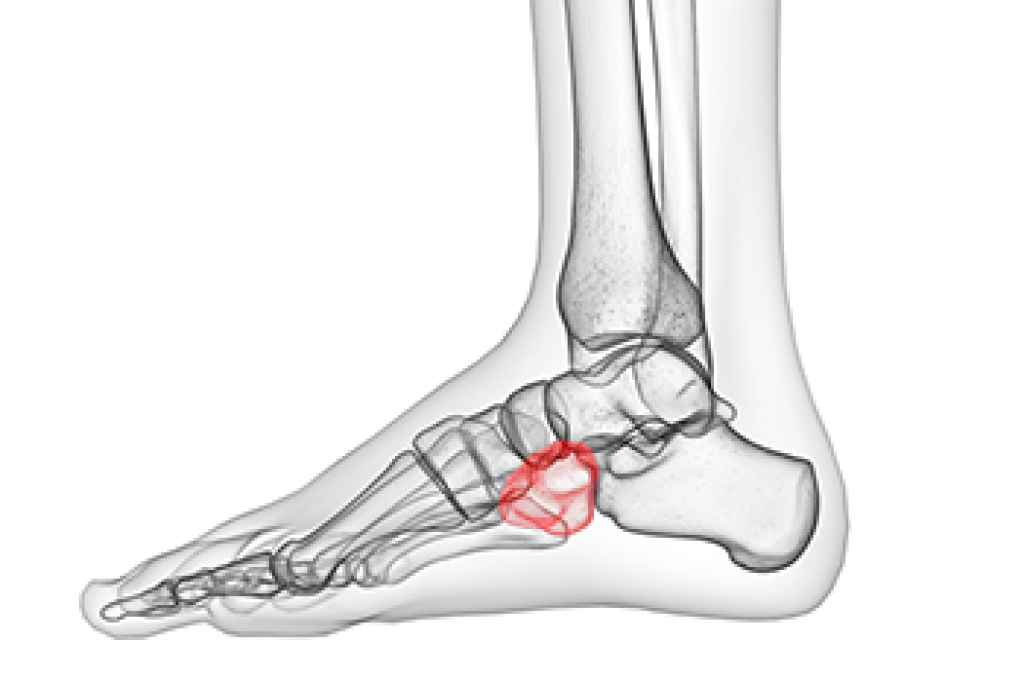
Cuboid syndrome occurs when there is an injury to the joint and surrounding ligaments of the cuboid bone on the outer side of the foot. It is often seen in athletes, gymnasts, and dancers, due to repetitive stress and movement. Symptoms include pain along the outside of the foot that worsens with weight bearing, difficulty walking, and a decreased range of motion. Some people may also notice weakness or instability in the foot. Risk factors include overuse, improper footwear, and previous ankle injuries. A podiatrist can assess the foot, restore proper alignment, and recommend supportive treatment. If you have pain on the outside of your foot, it is suggested that you consult a podiatrist who can accurately diagnose and treat what may be going on.

Cuboid syndrome, also known as cuboid subluxation, occurs when the joints and ligaments near the cuboid bone in the foot become torn. If you have cuboid syndrome, consult with one of our podiatrists from Accent Podiatry Associates. Our doctors will assess your condition and provide you with quality foot and ankle treatment.

Cuboid syndrome is a common cause of lateral foot pain, which is pain on the outside of the foot. The condition may happen suddenly due to an ankle sprain, or it may develop slowly overtime from repetitive tension through the bone and surrounding structures.

Causes

The most common causes of cuboid syndrome include:

  • Injury – The most common cause of this ailment is an ankle sprain.
  • Repetitive Strain – Tension placed through the peroneus longus muscle from repetitive activities such as jumping and running may cause excessive traction on the bone causing it to sublux.
  • Altered Foot Biomechanics – Most people suffering from cuboid subluxation have flat feet.

Symptoms

A common symptom of cuboid syndrome is pain along the outside of the foot which can be felt in the ankle and toes. This pain may create walking difficulties and may cause those with the condition to walk with a limp.

Diagnosis

Diagnosis of cuboid syndrome is often difficult, and it is often misdiagnosed. X-rays, MRIs and CT scans often fail to properly show the cuboid subluxation. Although there isn’t a specific test used to diagnose cuboid syndrome, your podiatrist will usually check if pain is felt while pressing firmly on the cuboid bone of your foot.

Treatment

Just as the range of causes varies widely, so do treatments. Some more common treatments are ice therapy, rest, exercise, taping, and orthotics.

If you have any questions, please feel free to contact our offices located in Arlington, Mansfield, and Midlothian, TX . We offer the newest diagnostic and treatment technologies for all your foot care needs.

Read more about All About Cuboid Syndrome

Toenail Fungus Warning Signs

Toenail fungus is a common condition that affects the nail and surrounding skin when fungal organisms begin to grow in warm, moist environments. It often starts as a small discoloration under the nail and gradually spreads, causing the nail to become thickened, brittle, and discolored. Some people may notice a yellow or white color, along with a foul odor, in more advanced cases. Risk factors include wearing tight shoes, excessive sweating, walking barefoot in public areas, and having reduced circulation or immune response. The condition may develop slowly and can become difficult to manage if left untreated. Over time, it may lead to discomfort and changes in how the nail grows. A podiatrist can evaluate the infection, confirm the diagnosis, and recommend targeted treatments to restore nail health. If you have symptoms of toenail fungus, it is suggested that you consult a podiatrist who can effectively treat this condition, which may include prescribed medication.

If left untreated, toenail fungus may spread to other toenails, skin, or even fingernails. If you suspect you have toenail fungus it is important to seek treatment right away. For more information about treatment, contact one of our podiatrists of Accent Podiatry Associates. Our doctors can provide the care you need to keep you pain-free and on your feet.

Symptoms

  • Warped or oddly shaped nails
  • Yellowish nails
  • Loose/separated nail
  • Buildup of bits and pieces of nail fragments under the nail
  • Brittle, broken, thickened nail

Treatment

If self-care strategies and over-the-counter medications does not help your fungus, your podiatrist may give you a prescription drug instead. Even if you find relief from your toenail fungus symptoms, you may experience a repeat infection in the future.

Prevention

In order to prevent getting toenail fungus in the future, you should always make sure to wash your feet with soap and water. After washing, it is important to dry your feet thoroughly especially in between the toes. When trimming your toenails, be sure to trim straight across instead of in a rounded shape. It is crucial not to cover up discolored nails with nail polish because that will prevent your nail from being able to “breathe”.

In some cases, surgical procedure may be needed to remove the toenail fungus. Consult with your podiatrist about the best treatment options for your case of toenail fungus.  

If you have any questions please contact our offices located in Arlington, Mansfield, and Midlothian, TX . We offer the newest diagnostic and treatment technologies for all your foot and ankle needs.

Read more about Treating Toenail Fungus

Sudden Joint Pain May Be Gout

Gout is a form of inflammatory arthritis caused by a buildup of uric acid crystals in the joints, most commonly affecting the big toe. Attacks often begin suddenly and may cause intense pain, redness, and swelling that can become severe within hours. The affected joint may appear shiny, swollen, and extremely tender. Flare-ups make walking or even light pressure from a bedsheet uncomfortable. Gout can develop when the body produces too much uric acid or cannot remove it efficiently. Diet, dehydration, and taking certain medications are risk factors. Obesity and family history may also contribute. Some people experience repeated flares that can eventually damage the joints if left untreated. A podiatrist can evaluate the symptoms, examine the affected joint, and may recommend imaging or laboratory testing to confirm the diagnosis. Treatment often includes medication to reduce inflammation and lower uric acid levels, along with guidance about long-term prevention strategies. If you suspect you have gout in your big toe or ankle, it is suggested that you make an appointment with a podiatrist.

Gout is a painful condition that can be treated. If you are seeking treatment, contact one of our podiatrists from Accent Podiatry Associates. Our doctors will treat your foot and ankle needs.

What Is Gout?

Gout is a form of arthritis that is characterized by sudden, severe attacks of pain, redness, and tenderness in the joints. The condition usually affects the joint at the base of the big toe. A gout attack can occur at any random time, such as the middle of the night while you are asleep.

Symptoms

  • Intense Joint Pain - Usually around the large joint of your big toe, and it most severe within the first four to twelve hours
  • Lingering Discomfort - Joint discomfort may last from a few days to a few weeks
  • Inflammation and Redness -Affected joints may become swollen, tender, warm and red
  • Limited Range of Motion - May experience a decrease in joint mobility

Risk Factors

  • Genetics - If family members have gout, you’re more likely to have it
  • Medications - Diuretic medications can raise uric acid levels
  • Gender/Age - Gout is more common in men until the age of 60. It is believed that estrogen protects women until that point
  • Diet - Eating red meat and shellfish increases your risk
  • Alcohol - Having more than two alcoholic drinks per day increases your risk
  • Obesity - Obese people are at a higher risk for gout

Prior to visiting your podiatrist to receive treatment for gout, there are a few things you should do beforehand. If you have gout you should write down your symptoms--including when they started and how often you experience them, important medical information you may have, and any questions you may have. Writing down these three things will help your podiatrist in assessing your specific situation so that he or she may provide the best route of treatment for you.

If you have any questions, please feel free to contact our offices located in Arlington, Mansfield, and Midlothian, TX . We offer the newest diagnostic and treatment technologies for all your foot care needs.

Read more about Everything You Need to Know About Gout

We Can Treat Your Foot or Ankle Pain

Foot or ankle pain can negatively affect your day-to-day life and can occur due to several different conditions. Pain can also be an indicator of a more serious underlying condition, which is why you should seek professional help as soon as you notice any abnormalities in your feet.

scroll to top